

Guest post by Tamari Jacob
August is National Breastfeeding Month, a time dedicated to celebrating breastfeeding, raising awareness, and ensuring families have access to the education and support they need to reach their feeding goals. It also includes World Breastfeeding Week and National WIC Breastfeeding Week (August 1–7), which share a common mission: recognizing the importance of breastfeeding while helping parents feel informed, supported, and empowered.
While breastfeeding is a natural way to feed a baby, that doesn't always mean it comes naturally. Many families face unexpected challenges along the way, and no two feeding journeys look exactly alike. National Breastfeeding Month serves as an important reminder that support - not perfection - is what helps families thrive.
Every Feeding Journey Looks Different
Breastfeeding can take many different forms. Some babies latch well from the very beginning, while others need extra time and support. Some families exclusively breastfeed, while others exclusively pump, combination feed, or transition between different feeding methods as their baby's needs and family’s circumstances change.
Every family's goals are unique, and feeding plans often evolve over time. What matters most is that parents have access to accurate information, compassionate guidance, and the resources they need to make informed decisions for themselves and their babies.
Supporting breastfeeding isn't about comparing journeys or defining success by a single outcome. It's about helping families meet their own feeding goals while ensuring babies are well-fed and parents feel confident and supported along the way.
The Benefits of Breastfeeding - and the Reality of Common Challenges
Breast milk provides excellent nutrition for growing babies and contains antibodies that help support the developing immune system. Breastfeeding can also promote bonding between mother and baby and offers health benefits for the breastfeeding mom as well.
At the same time, understanding the benefits of breastfeeding doesn't make it easy.
Many mothers are surprised by how much learning is involved during the first days and weeks. Questions and challenges are incredibly common, even for mothers who have breastfed before.
Some of the most common concerns include:
- Difficulty getting or maintaining a comfortable latch
- Baby effectively removing milk
- Worries about milk supply or whether baby is getting enough milk
- Breast engorgement during the early weeks
- Sore or damaged nipples
- Figuring out how to continue breastfeeding or pumping after returning to work
These experiences can feel overwhelming, especially when parents are exhausted and trying to interpret every feeding. Fortunately, many breastfeeding challenges have practical solutions, particularly when they're addressed early.
Sometimes a small adjustment to positioning or latch can make a significant difference. Other times, families benefit from creating a pumping plan, evaluating milk transfer, or identifying factors that may be affecting supply or comfort. The earlier concerns are addressed, the easier it often becomes to establish a feeding routine that works well for both mother and baby.
An Often-Overlooked Feeding Challenge: Nasal Congestion
One challenge that isn't talked about nearly enough is how nasal congestion can affect feeding.
Young babies are often described as obligate or preferential nose breathers, meaning they rely heavily on breathing through their noses while coordinating sucking, swallowing, and breathing during feeds. When their tiny nasal passages become congested, even mild congestion can make feeding feel much more difficult.
A congested baby may:
- Pull off the breast or bottle frequently
- Become frustrated during feeds
- Take longer to finish eating
- Feed for shorter periods before becoming tired
- Swallow more air while trying to breathe
- Seem fussy or uncomfortable while feeding
For parents, this can sometimes look like a feeding problem when the real issue is that their baby simply can't breathe comfortably enough to eat.
Helping Your Baby Feed More Comfortably
When congestion is making feeding more difficult, gentle nasal hygiene before a feeding can often help babies breathe more comfortably.
Depending on your pediatrician's recommendations, this may include:
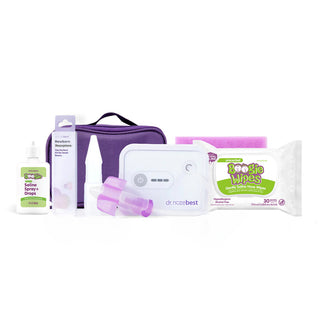
- Using saline drops or saline spray to help loosen mucus
- Gently clearing nasal passages with an infant nasal aspirator
- Running a cool-mist humidifier in your baby's room
- Holding your baby upright for a short period before feeds when appropriate
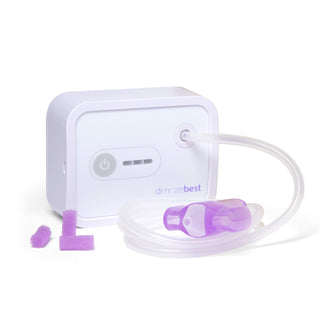
Tools designed specifically for gentle nasal suction, such as the NozeBot®, can help parents remove mucus safely and effectively before breastfeeding or bottle feeding, allowing babies to focus on eating instead of struggling to breathe through congestion.
It's important to remember that the goal isn't to treat illness with medication unless directed by your child's healthcare provider. Instead, supporting clear nasal passages can make feeding more comfortable while allowing babies to coordinate breathing and eating more easily.
Knowing When to Reach Out for Help
Whether you're experiencing breastfeeding challenges or your baby seems to be struggling with congestion during feeds, you don't have to figure everything out on your own.
An International Board Certified Lactation Consultant (IBCLC) can help evaluate feeding, answer questions about latch, milk supply, pumping, and breast comfort, while your pediatrician can assess whether congestion or another medical concern may be interfering with feeding.
Parents may also find valuable support through:
- WIC breastfeeding peer counselors
- Pediatric healthcare providers
- Local breastfeeding support groups
- Family and friends who encourage and support their feeding goals
If your baby is consistently feeding poorly, has fewer wet diapers than expected, is working hard to breathe, develops a fever, or congestion persists or worsens, it's important to contact your child's healthcare provider promptly for further evaluation.
Seeking support early is never a sign that you're doing something wrong. In fact, it's often one of the best things you can do for both yourself and your baby.
Celebrating Every Family This National Breastfeeding Month
National Breastfeeding Month isn't about celebrating perfect breastfeeding journeys. It's about recognizing the dedication, patience, and love that parents bring to feeding their babies every single day.
Whether your baby breastfeeds directly, receives pumped breast milk, combination feeds, or is formula fed, every family deserves encouragement, evidence-based information, and access to the support they need to make feeding feel a little easier.
Sometimes that support comes from a lactation consultant helping improve a latch. Sometimes it comes from a pediatrician answering questions about feeding. And sometimes it can be as simple as helping a congested baby breathe more comfortably before a meal.
This National Breastfeeding Month, let's continue supporting families with compassion, reliable education, and the reminder that no parent has to navigate their feeding journey alone.
This blog post is for educational purposes only and should not replace medical advice from your healthcare provider. Always consult your pediatrician with specific questions about your child's health.
Tamari is a Certified Lactation Counselor (CLC), mom of four, and founder of One With The Pump. After supporting more than 3,000 mothers through breastfeeding and pumping challenges, she is dedicated to helping families reach their feeding goals with evidence-based education, practical strategies, and compassionate support. Through her educational resources and Pumping Support Program, Tamari helps parents navigate everything from milk supply concerns and pumping schedules to returning to work and overcoming common feeding challenges.
The Nozebot is a battery-powered suction device designed to clear nasal congestion in babies and children.

