

As sick season ramps up, it's easy to focus entirely on keeping your kids healthy - but your own wellness is just as important. When you prioritize your health, you're not just taking care of yourself; you're safeguarding your entire family.
You're the Model
Children learn by watching. When you practice good hand hygiene, get your vaccines, and rest when you're not feeling well, you're teaching them lifelong habits that will protect them for years to come. Your actions speak louder than any lecture about covering coughs or washing hands.
Think about it: how many times have you told your child to wash their hands, only to watch them rush through it? But when they see you taking the time to scrub thoroughly, singing a song while you do it, they're more likely to mirror that behavior. The same goes for staying home when sick, covering sneezes properly, and taking care of yourself when you're under the weather.
You're the Caregiver
Caring for a sick child takes energy - physical and emotional. Preparing nutritious meals, offering comfort throughout the night, and managing symptoms all require you to be at your best. When you're well, you can provide the attentive care your child needs to recover. When you're run down or sick, everything becomes harder.
There's a reason flight attendants tell you to put on your own oxygen mask first. You can't pour from an empty cup. When you're exhausted, fighting off your own illness, or running on fumes, it's nearly impossible to be the calm, patient, nurturing presence your sick child needs. Your wellness - both physical and mental - is the foundation of your ability to care for them. Managing stress, getting adequate rest, and protecting your mental health aren't luxuries; they're essential to maintaining the immunity and emotional reserves you need during demanding sick season.
You're the First Line of Defense
Your own immunity directly affects your family's risk. By staying up-to-date on vaccines and maintaining healthy habits, you reduce the chance of bringing germs home and starting a family-wide outbreak. When you protect yourself, you create a healthier environment for everyone under your roof.
Parents are often the bridge between the outside world and home - going to work, running errands, attending events. Each interaction is a potential exposure point. By maintaining strong immunity and practicing preventive measures, you're creating a protective barrier around your family.
Practical Steps to Stay Healthy
Before Illness Strikes:
- Get Vaccinated: Flu shots and other recommended vaccines protect you and your family
- Wash Your Hands Frequently: Scrub with soap for at least 20 seconds, especially after being out in public or before eating
- Get Quality Sleep: Your immune system needs rest to function properly
- Stay Hydrated: Drinking plenty of water helps your body fight off illness and recover faster
- Keep a Healthy, Balanced Diet: Proper nutrition supports your immune system
- Disinfect the House: Door handles, light switches, phone screens, and remote controls are germ hotspots - wipe them down regularly during sick season
- Take Time for Self-Care: Managing stress and protecting your mental health strengthens your immunity and emotional reserves
- Ask for Help When Needed: Reach out to your partner, family, or friends before you're completely depleted - you can't pour from an empty cup
Know When to Keep Kids Home:
- Fever of 100.4°F or higher (they should be fever-free for 24 hours without medication before returning)
- Vomiting or diarrhea in the past 24 hours
- Uncontrolled coughing or difficulty breathing
- Symptoms that prevent them from participating comfortably in activities
Always consult your pediatrician if your child shows concerning symptoms or if you're unsure whether they need medical attention. When in doubt, reach out to your child's healthcare provider for guidance.
When You Get Sick (Because It Happens):
- Ask for help early: Reach out to your partner, family, or friends before you're completely depleted
- Embrace shortcuts: Simplified routines aren't failures - they're survival strategies
- Rest when possible: Even 20-minute breaks while kids watch a show can help your recovery
- Model self-care: Let your kids see that adults need rest and care when sick, too
Age-Specific Considerations
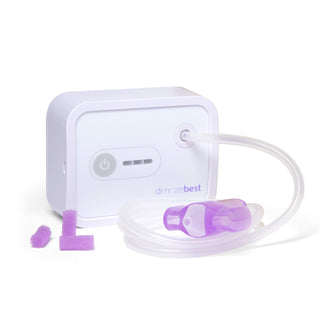
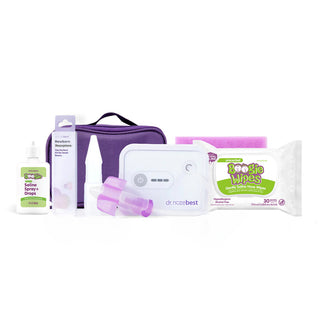
Parents of infants and toddlers face unique challenges - you can't explain germ theory to a one-year-old who wants to touch everything. Focus on frequent hand-washing for yourself, especially before feeding or after diaper changes, and don't hesitate to limit visitors during peak illness season. For little ones with congestion, tools like the NozeBot can help clear stuffy noses gently and effectively, making it easier for them to eat, sleep, and breathe comfortably when illness does strike.
For parents of school-age children, your kids are likely bringing home new exposures regularly. Establish after-school routines like immediate hand-washing and changing out of school clothes to minimize germ spread at home.
The Bottom Line
This sick season, remember: taking care of yourself isn't selfish, it's one of the most important things you can do for your kids. Your physical health, mental wellbeing, and ability to ask for help when you need it all contribute to a healthier, more resilient family. Stay well, so you can help them do the same.
The Nozebot is a battery-powered suction device designed to clear nasal congestion in babies and children.

