

If you've been hearing more about measles lately, you're not imagining it. After years of relatively few cases, measles is making a significant comeback in the United States, and the numbers are honestly pretty eye-opening.
In 2025, the U.S. reported 2,276 confirmed measles cases across 45 states. To put that in perspective, that's about eight times more than the 285 cases we saw in 2024. And we're already seeing this trend continue into 2026, with 733 cases reported in just the first five weeks of the year across 20 states.
As parents, it's natural to feel concerned when you hear numbers like these. But here's the good news - measles is preventable, and there are clear steps you can take to protect your family. Let's break down what you need to know.
Why Is Measles Surging Now?
The spike in cases isn't random. In 2025, there were 49 measles outbreaks (defined as three or more related cases) compared to just 16 outbreaks in 2024. Most of these outbreaks have occurred in communities with lower vaccination rates, where the virus can spread more easily from person to person.
When vaccination rates drop in a community, measles finds its opportunity. The virus is incredibly contagious. If one person has it, up to 90% of the people around them who aren't vaccinated will also become infected. That's why even small pockets of unvaccinated individuals can lead to larger outbreaks.
Which States Are Affected?
So far in 2026, cases have been reported in: Arizona, California, Florida, Georgia, Idaho, Kentucky, Minnesota, Nebraska, North Carolina, North Dakota, Ohio, Oklahoma, Oregon, Pennsylvania, South Carolina, South Dakota, Utah, Virginia, Washington, and Wisconsin.
An outbreak in one area can quickly spread to others, especially with how much we all travel. That's why staying informed and up-to-date on vaccinations matters no matter where you live.
Recognizing Measles: The Early Signs Parents Often Miss
One of the tricky things about measles is that it doesn't start with the telltale rash. In fact, the early symptoms can look a lot like a common cold, which is why it's easy to miss at first.
The first signs (appearing 7-14 days after exposure):
- High fever (often 104°F or higher)
- Cough
- Runny nose
- Red, watery eyes (conjunctivitis)
- Feeling tired and achy
These symptoms are sometimes called the "3 Cs": cough, conjunctivitis, and coryza (the medical term for runny nose). At this stage, many parents think their child just has a bad cold or flu.
Then comes the rash: About 3-5 days after those first symptoms appear, a red, blotchy rash breaks out. It typically starts on the face and hairline, then spreads down the body to the trunk, arms, and legs. Another telltale sign is tiny white spots inside the mouth (called Koplik's spots), though not all children get these.
Why timing matters: Your child can spread measles to others from 4 days before the rash appears until 4 days after. That means they might be contagious before you even know they have measles.
How Measles Spreads (And Why It's So Contagious)
Measles spreads through the air when an infected person coughs or sneezes. Those tiny respiratory droplets can:
- Travel through the air and infect someone nearby
- Linger in a room for up to 2 hours after the infected person has left
- Infect up to 90% of unvaccinated people who are exposed
This is why measles can spread so quickly in places like schools, daycare centers, waiting rooms, or even grocery stores. You don't need direct contact with someone who's sick. Just being in the same space can be enough.
The Best Protection: The MMR Vaccine
The MMR vaccine (which protects against measles, mumps, and rubella) is incredibly effective. Two doses provide 97% protection against measles. That's about as close to a guarantee as we get in medicine.
The standard vaccination schedule:
- First dose: 12-15 months old
- Second dose: 4-6 years old
Special circumstances:
- If there's an outbreak in your area, your pediatrician may recommend vaccinating your baby as early as 6 months
- If you're traveling internationally with young children, early vaccination might be recommended
- Adults born after 1957 who never received the MMR vaccine should consider getting vaccinated
If you're not sure about your child's vaccination status, now's a great time to check those records. Your pediatrician's office can pull up your child's vaccination history, and many states have online immunization registries you can access.
Who Is Most at Risk?
While measles can affect anyone who isn't vaccinated, babies under 12 months (too young for the vaccine), pregnant women, and people with weakened immune systems are particularly vulnerable. This is where community immunity becomes so important - when most people in a community are vaccinated, it creates a protective shield around those who can't be vaccinated.
What to Do If Your Child Is Exposed or Shows Symptoms
If your child has been exposed to someone with measles: Call your pediatrician immediately. Don't just show up at the office; call first so they can take precautions. If your child is unvaccinated, post-exposure vaccination or immune globulin can sometimes prevent illness if given within 72 hours of exposure. Watch for symptoms for up to 21 days.
If your child develops symptoms: Call your pediatrician and mention you suspect measles. Keep your child home and avoid public places to prevent spreading the illness. Notify close contacts so they can take precautions.
Seek emergency care if your child has difficulty breathing, severe headache or confusion, chest pain, signs of dehydration, or seizures.
Why Measles Is More Than "Just a Rash"
Measles can cause serious complications: ear infections and diarrhea (1 in 10 children), pneumonia (1 in 20), brain swelling (1 in 1,000), and even death (1-2 in 1,000). About 1 in 5 unvaccinated people who get measles will be hospitalized.
The Bottom Line
The surge in measles cases we're seeing is happening because vaccination rates have dropped in some communities, but it's highly preventable. Make sure your family is up-to-date on MMR vaccines, and talk to your pediatrician if you have questions or concerns about your child's vaccination status.
Additional Resources
- CDC Measles Information: cdc.gov/measles
- Find Your State's Immunization Registry: Contact your state health department
- Talk to Your Pediatrician: They're your best resource for personalized medical advice
This blog post is for educational purposes only and should not replace medical advice from your healthcare provider. Always consult your pediatrician with specific questions about your child's health.
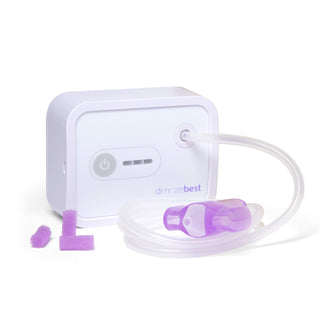
The Nozebot is a battery-powered suction device designed to clear nasal congestion in babies and children.

