


When your child is dealing with congestion, whether from a cold, allergies, or sinus issues, dental health is probably the last thing on your mind. However, the connection between nasal congestion and oral health is more significant than many parents realize. Understanding this relationship can help you protect your child's smile while managing their respiratory health.
How Congestion Impacts Dental Health
The Mouth Breathing Dilemma
When nasal passages are blocked, children instinctively breathe through their mouths. While this seems like a simple adaptation, chronic mouth breathing creates a cascade of dental concerns. The oral cavity is designed to maintain a delicate balance of moisture, beneficial bacteria, and pH levels - all of which are disrupted when the mouth becomes the primary breathing pathway.
Dry Mouth: The Silent Threat
Saliva is your child's first line of defense against tooth decay. It neutralizes acids produced by bacteria, washes away food particles, and contains essential minerals that help repair early tooth damage. When mouth breathing reduces saliva production, this protective shield weakens. The result? A perfect environment for cavity-causing bacteria to thrive. You might notice your child waking up with bad breath or complaining of a sticky feeling in their mouth, which are both telltale signs of reduced saliva flow.
Beyond Cavities: Gum Health at Risk
The effects of congestion extend beyond just tooth decay. Dry mouth conditions create an ideal breeding ground for bacteria along the gum line, potentially leading to gingivitis - inflammation of the gums characterized by redness, swelling, and bleeding during brushing. For children already dealing with congestion, inflammation in the mouth can add another layer of discomfort to their daily routine.
Long-Term Developmental Concerns
When mouth breathing becomes a prolonged habit - particularly during crucial developmental years - it can influence more than just immediate oral health. Chronic mouth breathing may affect jaw development, tooth positioning, and even facial structure. The tongue's resting position changes when breathing through the mouth, which can impact how the upper jaw forms and how teeth align. While these changes develop gradually, early intervention can make a significant difference in your child's long-term oral health and development.

Practical Tips for Maintaining Oral Health During Congestion
Managing your child's dental health during periods of congestion doesn't have to be complicated. These practical strategies can help protect their smile while you address the underlying congestion:
1. Keep Hydration a Top Priority
Water is your child's best friend when dealing with congestion and its dental side effects. Encourage frequent sips throughout the day to combat dry mouth. Keep a water bottle within easy reach, especially at night when mouth breathing tends to be more pronounced. For younger children, try making it fun with colorful cups or by adding a splash of fresh fruit for flavor (avoiding sugar-laden beverages that could worsen dental issues).
2. Maintain Consistent Oral Hygiene
When children feel under the weather, bedtime routines often fall by the wayside. However, this is precisely when maintaining oral hygiene becomes most critical. Ensure your child brushes twice daily with toothpaste and flosses once per day. If they're too tired for a thorough brushing, even a quick brush is better than skipping it entirely. Consider using a soft-bristled toothbrush if their gums are feeling tender, and remind them to be gentle but thorough.
3. Utilize Saline Nasal Rinses
One of the most effective ways to reduce congestion and promote nasal breathing is through saline nasal rinses or sprays. These help clear mucus, reduce inflammation, and moisturize nasal passages. By addressing the root cause of mouth breathing, you're tackling the dental health issue at its source. Pediatric-friendly saline sprays can be used several times throughout the day as needed.
4. Clear Mucus Effectively with the NozeBot
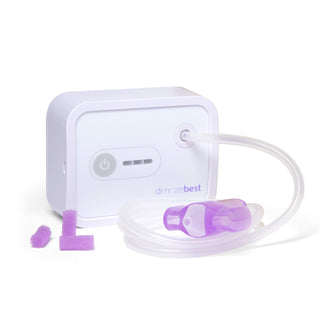
For parents looking for a more effective solution to clear nasal congestion, the NozeBot offers a safe, gentle, and efficient way to remove mucus. Unlike traditional bulb syringes that can be difficult to use and less effective, the NozeBot provides controlled suction that quickly clears blocked nasal passages. When used regularly, it helps restore nasal breathing, reducing the need for mouth breathing and its associated dental risks. The easier your child can breathe through their nose, the better protected their oral health will be.
5. Consider a Bedroom Humidifier
Dry air exacerbates both nasal congestion and dry mouth. Using a cool-mist humidifier in your child's bedroom at night can help keep their airways and mouth moist, making nasal breathing easier and reducing oral dryness. Clean the humidifier regularly to prevent mold and bacteria growth.
6. Collaborate with Healthcare Professionals
If your child experiences chronic or recurrent congestion, it's worth consulting both their pediatrician and pediatric dentist. In fact, it's recommended to begin visiting the pediatric dentist as soon as baby's first tooth erupts. Their pediatrician can help identify and treat underlying causes such as allergies, enlarged adenoids, or chronic sinusitis. Meanwhile, your child's dentist can monitor for any dental issues arising from mouth breathing and provide targeted preventive care. This coordinated approach ensures your child receives comprehensive care that addresses both their respiratory and oral health.
7. Limit Sugary and Acidic Foods
When saliva production is reduced, the mouth's natural defense against sugar and acid weakens. During periods of congestion, be extra mindful of your child's diet. Limit sugary snacks, sodas, and acidic juices that can accelerate tooth decay in a dry-mouth environment. Instead, offer crunchy vegetables, cheese, and other tooth-friendly snacks that stimulate saliva production naturally.
The Bottom Line: A Holistic Approach to Your Child's Health
The relationship between nasal congestion and dental health reminds us that our body's systems are deeply interconnected. What affects breathing impacts oral health, and vice versa. By understanding this connection and taking proactive steps - from maintaining hydration and oral hygiene to using tools like the NozeBot for effective mucus clearance - you can protect your child's dental health even during congested periods.
Remember, occasional congestion and its temporary effects on dental health are normal. However, if your child experiences persistent mouth breathing, frequent cavities, or chronic congestion, don't hesitate to seek professional guidance. Your child's healthcare team can help develop a comprehensive plan to keep both their airways clear and their teeth healthy.
At Dr. Noze Best, we believe in empowering parents with the knowledge and tools to support their child's complete wellness. Because when your child can breathe easy, they can smile bright.
The Nozebot is a battery-powered suction device designed to clear nasal congestion in babies and children.

