

Summer is filled with outdoor fun, from roasting marshmallows around a campfire to watching fireworks light up the night sky. While these seasonal traditions create lasting family memories, they can also introduce something many parents don't expect: smoke that may leave little noses feeling stuffy.
If your child seems more congested after an evening outdoors, smoke exposure may play a role. Here's why it happens and what parents can do to help.
Can Smoke Really Cause Congestion?
Yes. Smoke from campfires, bonfires, fireworks, grills, and even wildfires contains tiny particles and gases that can irritate the delicate lining of the nose and airways. When these particles enter the nose, they become trapped in the mucus, triggering the body to produce even more mucus in an effort to clear the irritants. At the same time, the nasal tissues may become inflamed and swollen.
Smoke and the associated gases and particles can act as both allergens (i.e. allergies) and irritants, creating a one-two punch to the lining of the nose, throat and lungs. Together, increased mucus and swollen nasal passages can make breathing through the nose more difficult as well as irritate the lower airways, particularly if your child has asthma.
Children are often more sensitive to smoke than adults because their lungs and airways are still developing. This means smoke particles can have a greater impact on their respiratory system and can trigger asthma attacks.
Smoke and fires expose your family to strong gases and irritants that can increase mucus production and irritate the upper and lower airways. Limiting smoke exposure is important to healthy breathing, and using saline sprays, nebulizers and nasal suctioning can reduce the symptoms after exposure to smoke.
Common Summer Sources of Smoke
Fireworks
Fireworks are a highlight of summer celebrations, but they can also create a temporary drop in air quality. As fireworks burn, they release fine particulate matter, smoke, and gases into the air. These tiny particles are small enough to be inhaled deep into the respiratory system, where they can irritate the nose, throat, and lungs.
For children, even short-term exposure may be enough to trigger nasal irritation. Children with asthma or other respiratory conditions are especially sensitive to smoke, and those with allergies or a recent cold may notice their symptoms become more pronounced.
Campfires, Bonfires and Wildfires
Unlike fireworks, campfires can expose families to smoke for much longer periods of time. Whether you're gathered around the fire for an hour or an entire evening, prolonged exposure may increase the likelihood of nasal irritation and congestion, especially if your child is sitting close to the smoke.
The amount of irritation often depends on several factors, including:
- How close your child is sitting to the fire
- Whether the smoke is blowing in their direction
- How much smoke the fire is producing
- How long they're exposed
If your child starts rubbing their nose, sneezing, or develops a stuffy nose during or after a campfire, moving to an area with cleaner air can often help reduce irritation.
Backyard Fire Pits and Grills
Campfires aren't the only source of summer smoke. Backyard fire pits, charcoal grills, and even wood-fired cooking can produce smoke that lingers in the air, especially on calm evenings.
For families looking to reduce smoke exposure, propane or natural gas options are often considered lower-smoke alternatives because they produce fewer visible particles compared to wood or charcoal burning.
For most healthy children, occasional exposure isn't likely to cause lasting problems. However, if your child already has a sensitive nose, seasonal allergies, asthma, or is recovering from a cold, even small amounts of smoke may contribute to temporary congestion or make existing symptoms feel worse.
Wildfires
With the increased heat and dry air during the summer, wildfires can also occur in your area. This results in a constant production of smoke, gases and irritants that may accumulate in your yard, on your car, and even enter home. If you live in an area affected by wildfires, be sure to check air quality before your child goes outside to play, especially if they have asthma or underlying lung disease (e.g. preemie).
If the air quality is poor outside, focus on inside activities. If your children do play outside, have them shower or bathe when they come inside. Air filtration can also be helpful if significant wildfire smoke is entering your home, as it can help reduce overall exposure.
Signs Smoke May Be Irritating Your Child
Every child responds differently, but common symptoms include:
- Stuffy nose
- Runny nose
- Sneezing
- Frequent nose rubbing
- Watery eyes
- Mild cough
- Difficulty sleeping because of congestion
These symptoms are usually temporary and improve once your child is away from the source of the smoke.
Tips to Help Reduce Smoke-Related Congestion
Fortunately, there are several simple ways to reduce your child's exposure during summer activities.
Stay Upwind
Whenever possible, sit where the wind carries smoke away from your family rather than toward you.
Take Breaks from Heavy Smoke
If smoke becomes thick or your child begins coughing or rubbing their nose, step away for a few minutes to allow them to breathe cleaner air.
Check Local Air Quality
If your area is experiencing wildfire smoke or poor air quality, consider limiting outdoor activities, especially for infants and children with asthma or allergies.
Clear Away Irritants
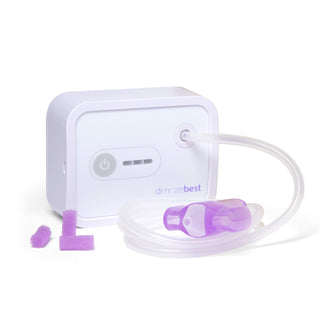
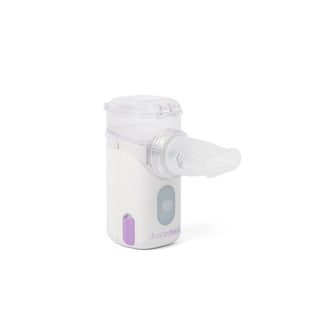
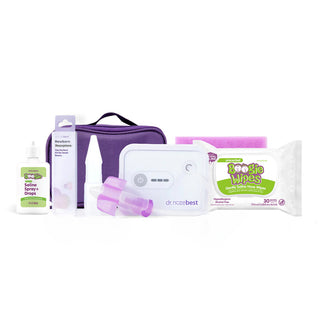
After spending time around smoke, washing your child's face and hands and changing into clean clothes can help remove lingering smoke particles. Using nasal saline sprays and nebulizers can help loosen the mucus containing the irritants and particles so that your child can expel them, or you can suction them out with NozeBot.
Enjoy Summer While Protecting Little Noses
Campfires, fireworks, and backyard gatherings are some of the best parts of summer, and with a few simple precautions, your family can continue enjoying them.
Being aware of how smoke affects little noses can help you recognize temporary congestion early and keep your child breathing more comfortably throughout the summer season.
This blog post is for educational purposes only and should not replace medical advice from your healthcare provider. Always consult your pediatrician with specific questions about your child's health.
The Nozebot is a battery-powered suction device designed to clear nasal congestion in babies and children.

